

A Little More About 3GEN Robotics
What a robot learns in simulation often fails in reality. Bellwether, from 3GEN Robotics, starts with the task, not the robot: upload video of a person doing the job, review the storyboard, and let AI agents build, test and improve the workflow in simulation and on the real robot.
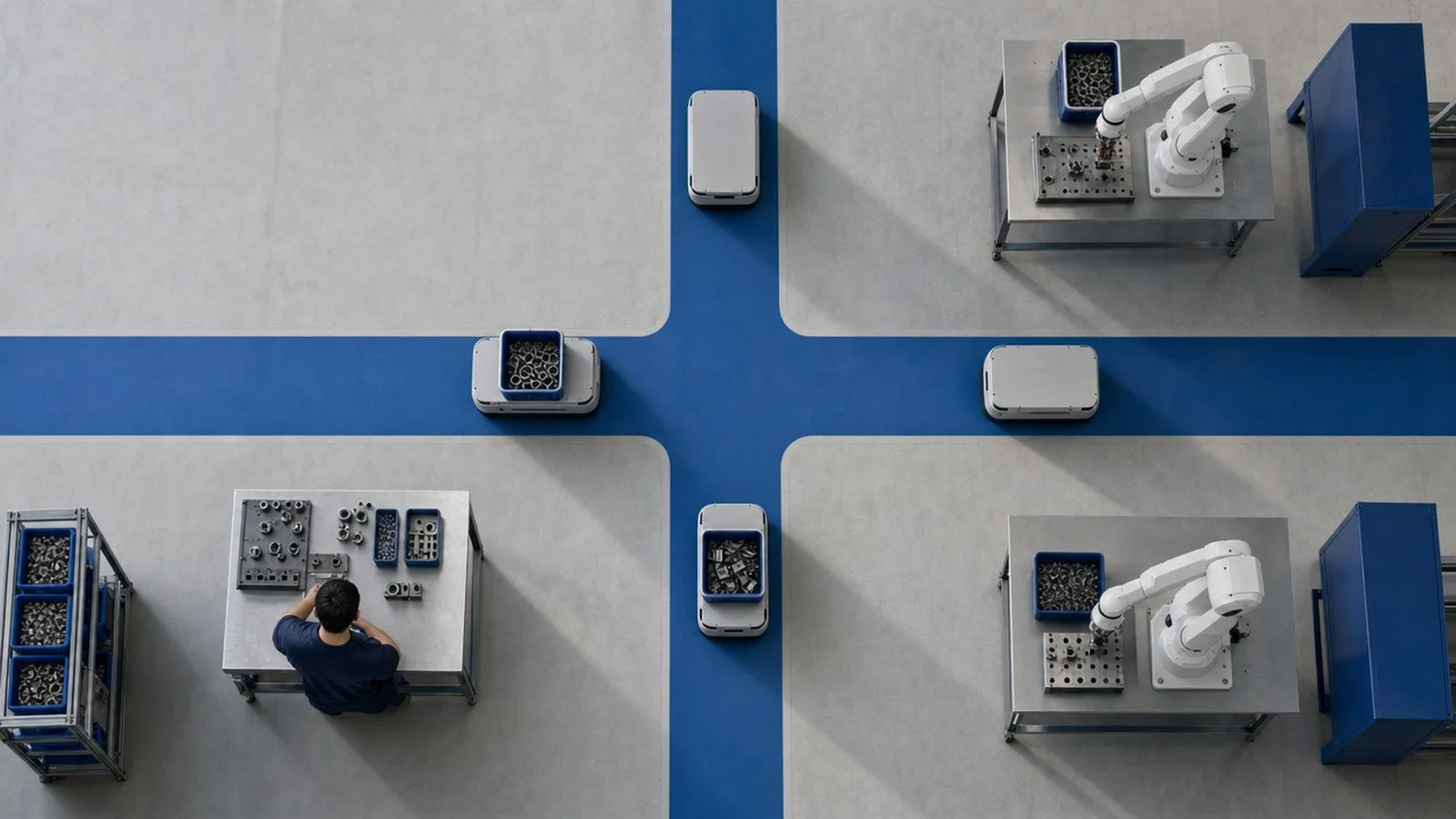
Operational Best Practices for Multi-Robot Workflows in Plants
Each robot can work fine and the line still stalls at the handoffs. Five practices help plants plan tasks, traffic, and orchestration so robots run as one team.
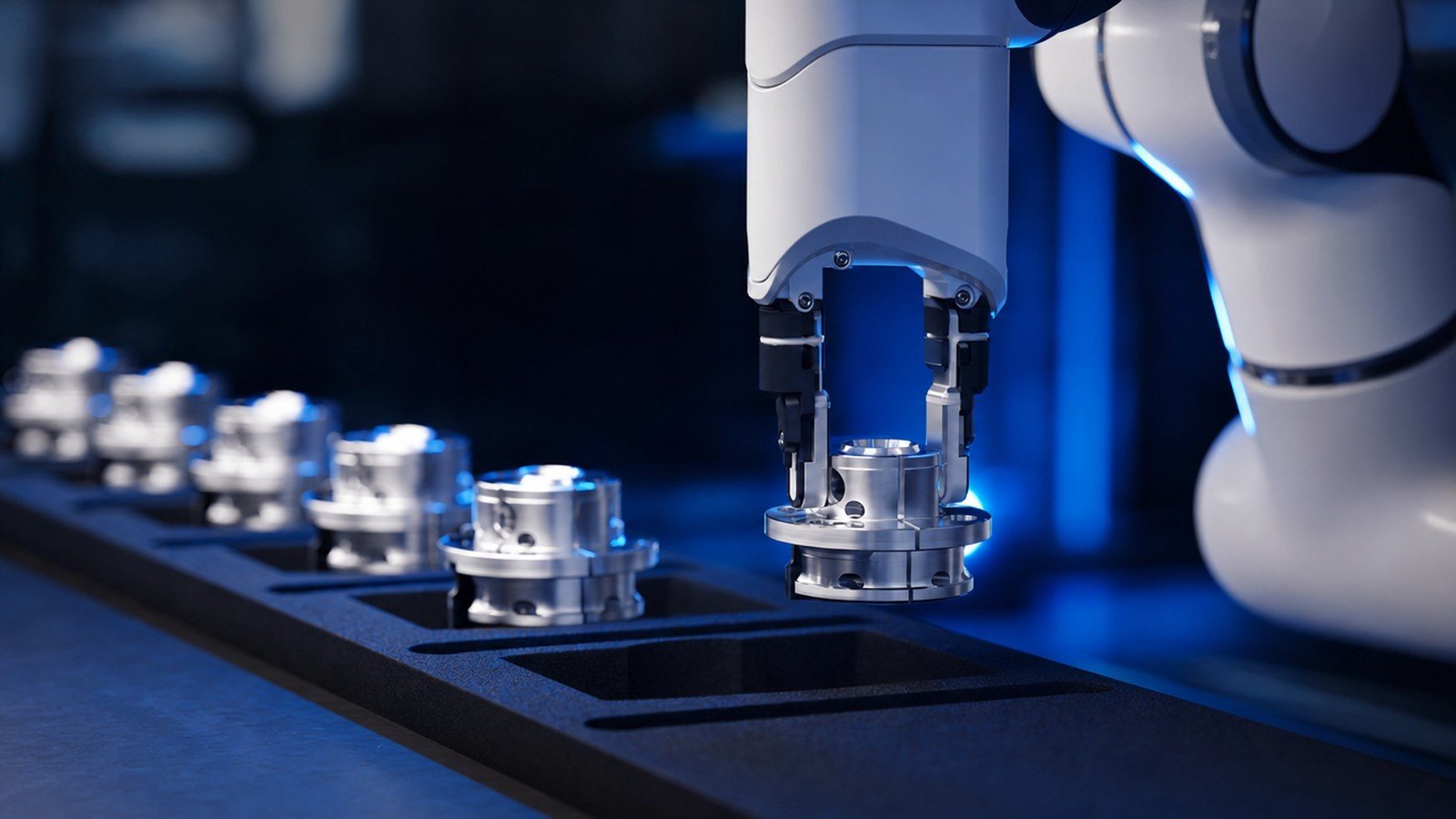
Pilot Production to Full Rollout: How to Shorten Integration Time
Most robot pilots only prove a robot can do a task once. Find problems at a desk and agree on go/no-go criteria first, so pilot production holds up on every shift.
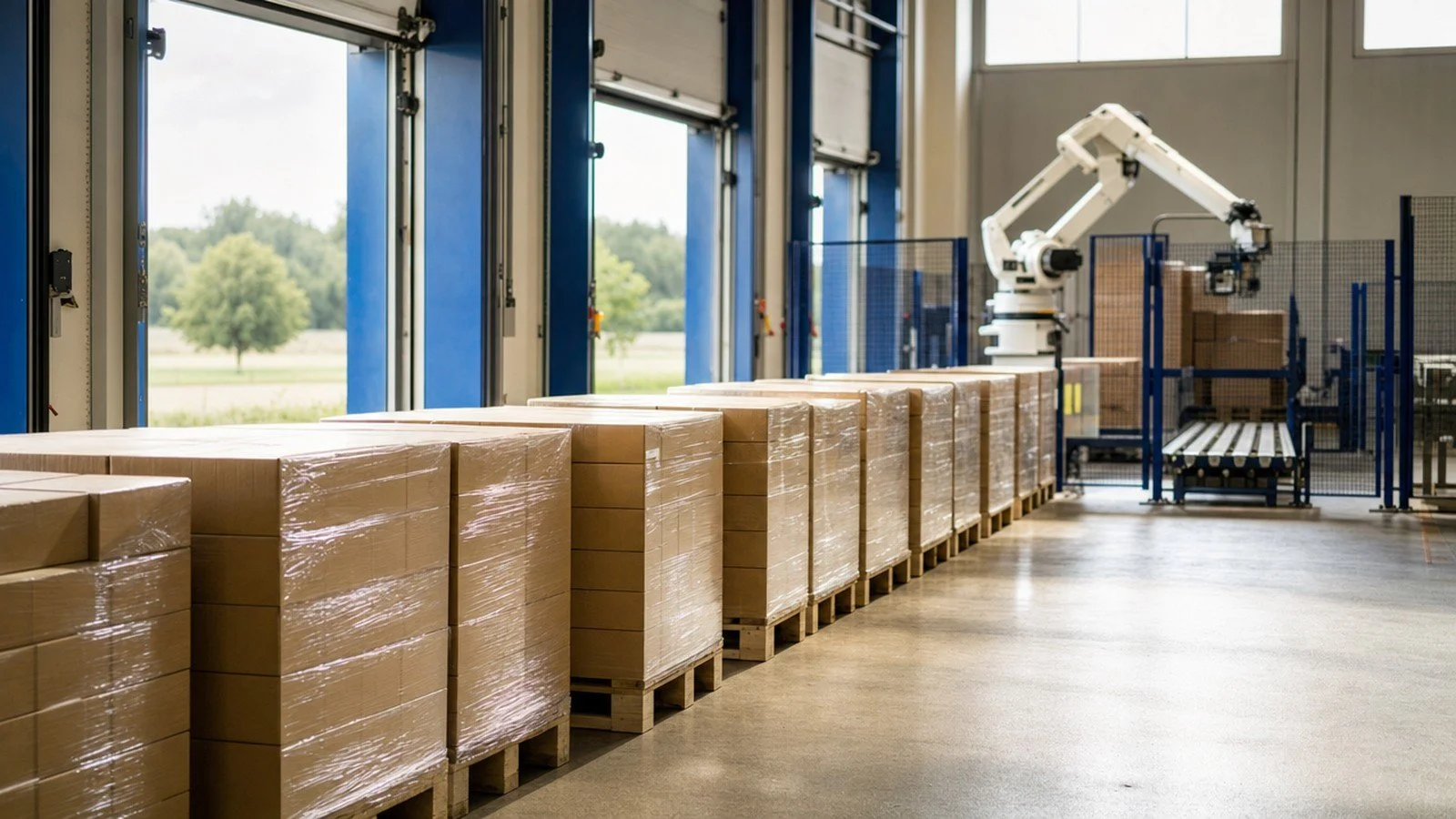
Robot Deployment Case Study: How to Measure a Throughput Boost
A throughput claim means little without a baseline measured the same way. Build a robot deployment case study your finance and operations teams can check.
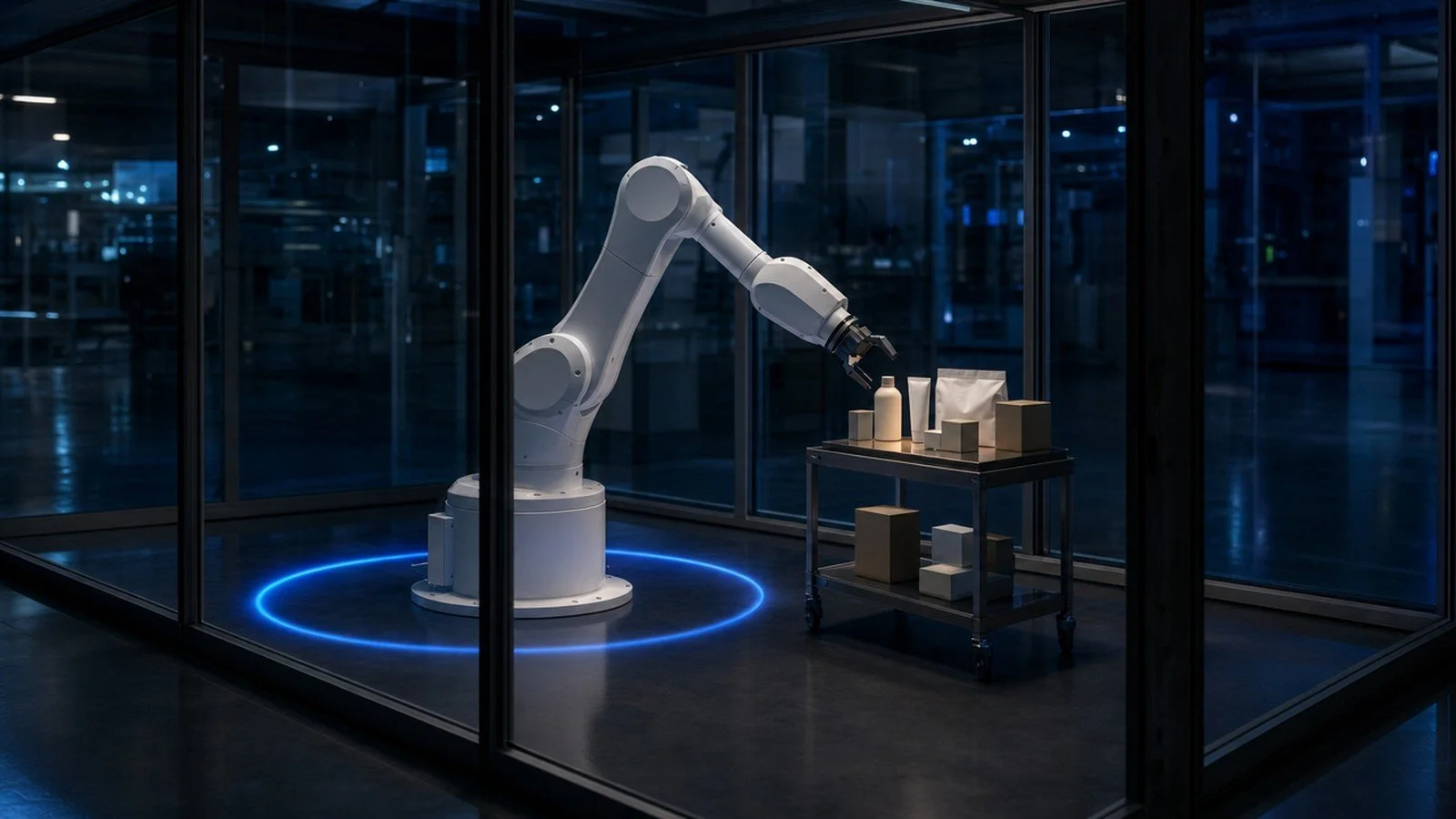
How to Manage Continuous Retraining for Deployed Robots
Robots drift when products, packaging, and layouts change. Continuous retraining feeds field data back into tested updates that roll out one cell at a time.
Checklist: Preparing Your Facility for Autonomous Robot Ops
Robots need a floor, network, and safety plan before go-live. This checklist walks operations teams through lanes, charging, procedures, and simulation tests.

3GEN Robotics Joins Amazon’s AWS Active Program
We are proud to announce 3GEN Robotics has been accepted into AWS Startups, Amazon’s program for founders!

3GEN Robotics Is Proud to Sponsor Pink Droyd, FTC Team 10393
3GEN Robotics is sponsoring Pink Droyd, FTC Team 10393 from Midwood High School in Brooklyn, as students build and code a robot for the BIOBUZZ season.
Bellwether vs Traditional Robot Integration: Faster Factory Rollouts
A product change shouldn’t wait on the next integrator visit. See how traditional and simulation-first robot integration differ in speed and floor time.
A Manager's Guide to Scaling Robotic Fleets Without Downtime
Growing robotic fleets shouldn't stop your floor. See how simulation testing and zone-by-zone rollouts can help you add robots with less disruption.
5 Common Robot Deployment Roadblocks and How to Avoid Them
Most robot deployment problems are small surprises on a floor that cannot stop. Learn the five roadblocks that stall rollouts and how to catch them before go-live.

How Bellwether Can Help Speed Robot Deployment Across Busy Warehouses
Your floor never stops, so robots can’t learn it on the job. See how simulation-based training and Sim2Real transfer move robot deployment off the live floor.
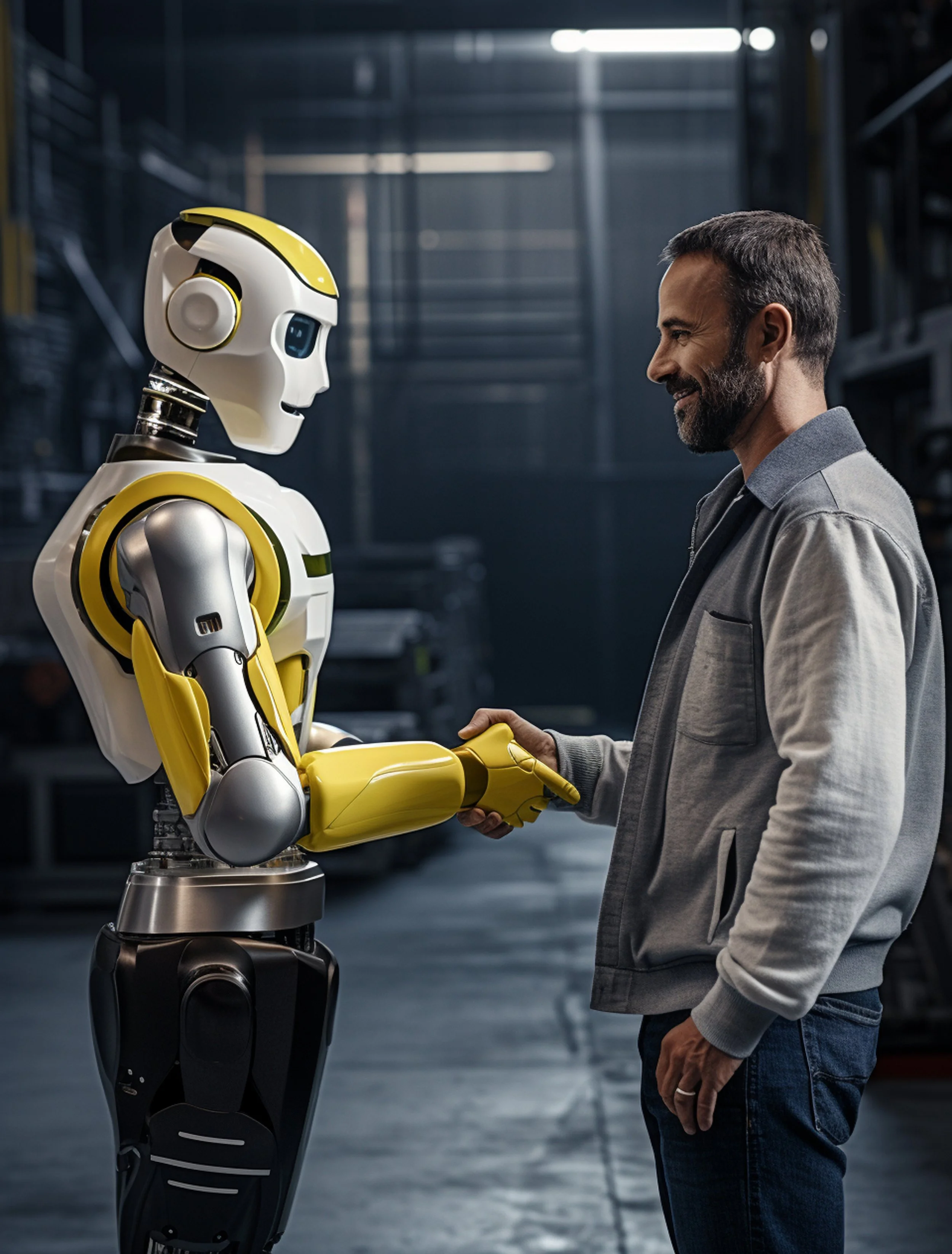
How to Implement Humanoid Robots into Warehouse Workflows
The hardest part of deploying a humanoid in a warehouse is not the humanoid. It's the WMS that was never built to talk to a robot in real time, and the task that turns out to have eleven variants instead of one.
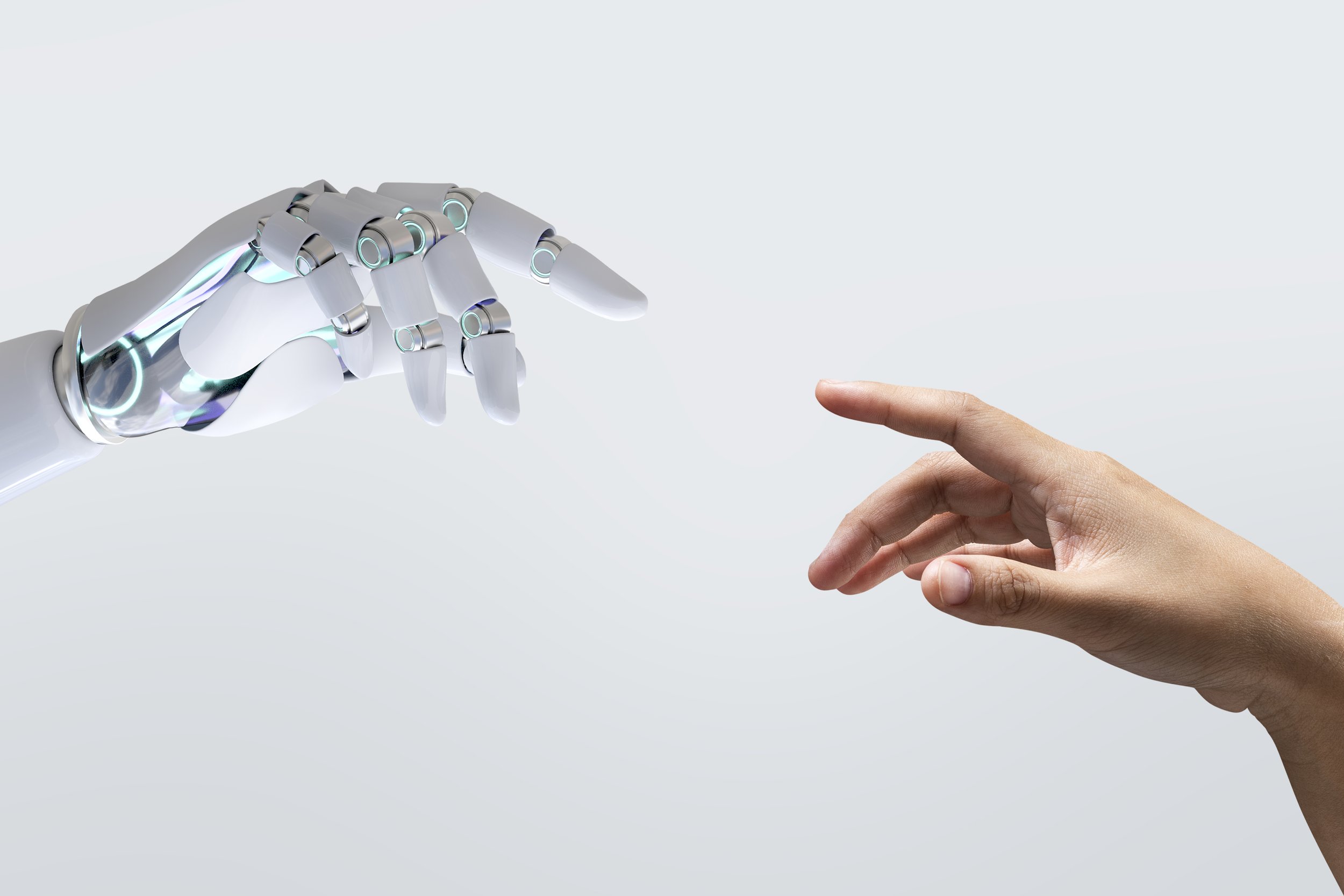
Human-Robot Interaction, Explained for the People Actually Sharing a Floor With One
Collaborative robot safety isn't one behavior—it's four distinct modes, and picking the wrong one is the difference between a robot a worker can ignore and one that stops the line every time they walk past. A closer look at what actually happens when people and robots share a floor, and why a widely cited study found people followed a visibly malfunctioning robot during a simulated evacuation rather than questioning it.
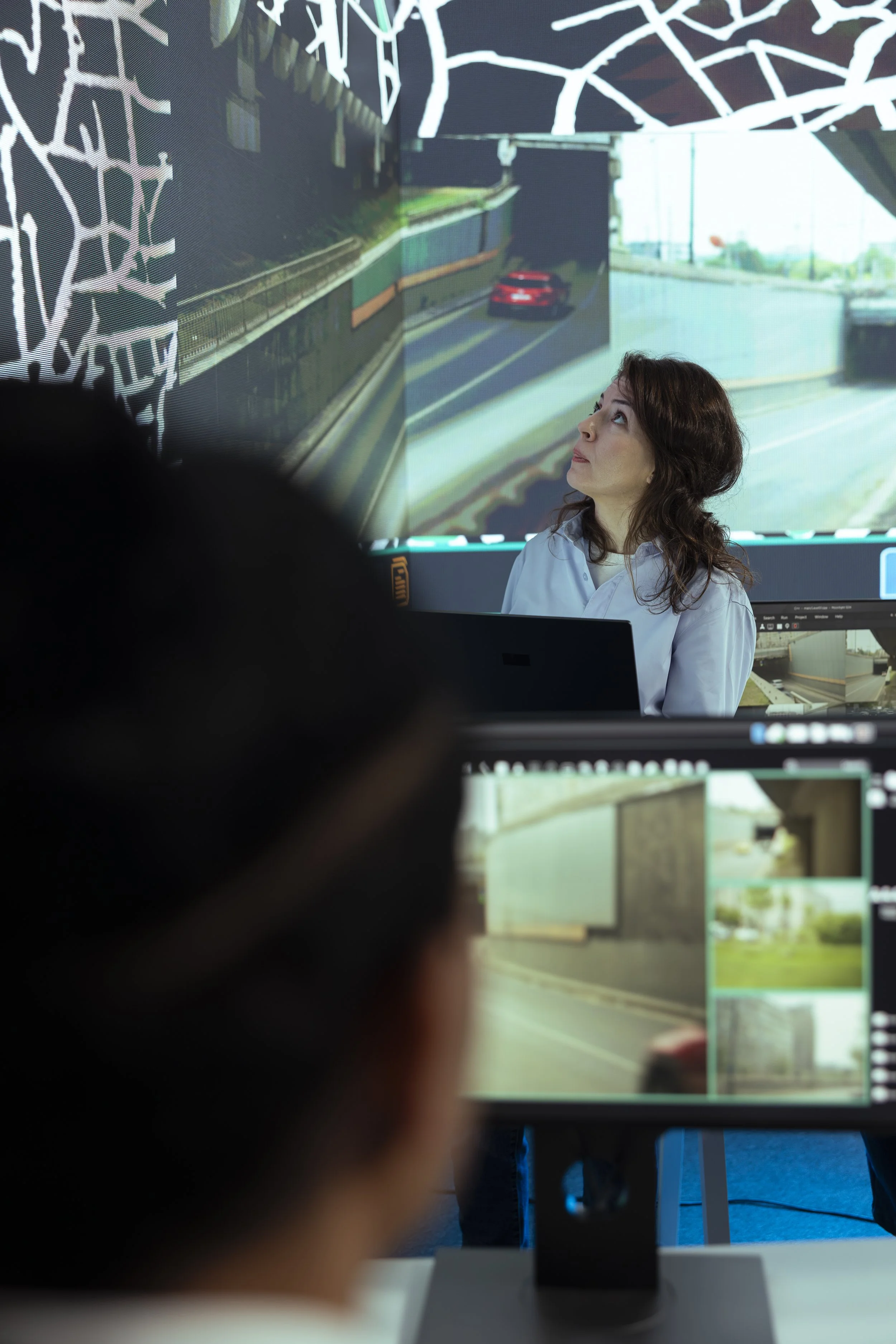
Your Factory Already Has Robot Training Data. It's on Video.
Robot training data used to mean a human teleoperating a robot. World action models learn physics from video, which means footage of a person doing the job counts. Your process video is an appreciating asset — and the footage you don't record is gone.
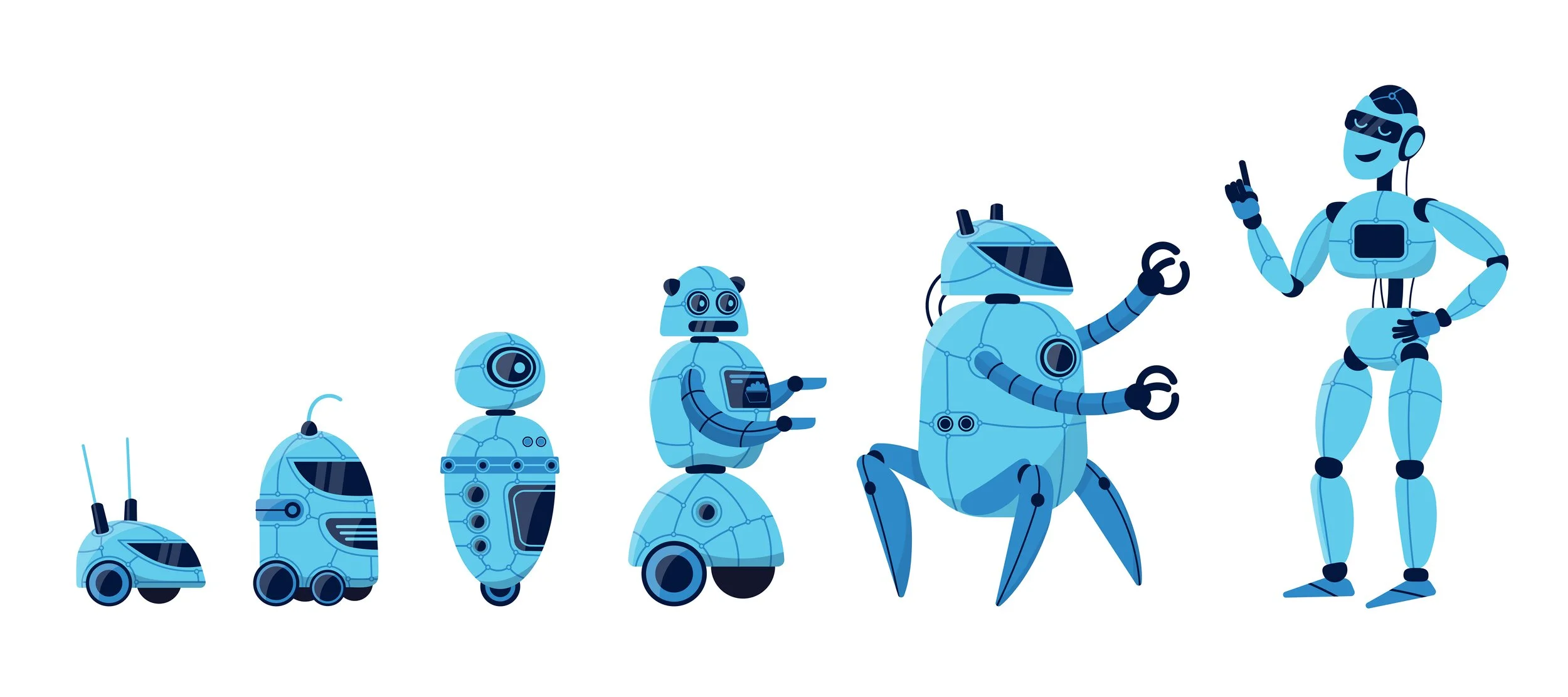
What Humanoid Robots Actually Do in 2026
Search for humanoid deployment figures and you'll find confident numbers. Most don't come from the companies they describe, and several don't survive contact with corporate filings. Here's what humanoid robots verifiably do right now — measured in hours, totes, and parts.

BCG Says Deployment Now Decides Competitiveness. Deployment Is Exactly What Manufacturers Can't Staff.
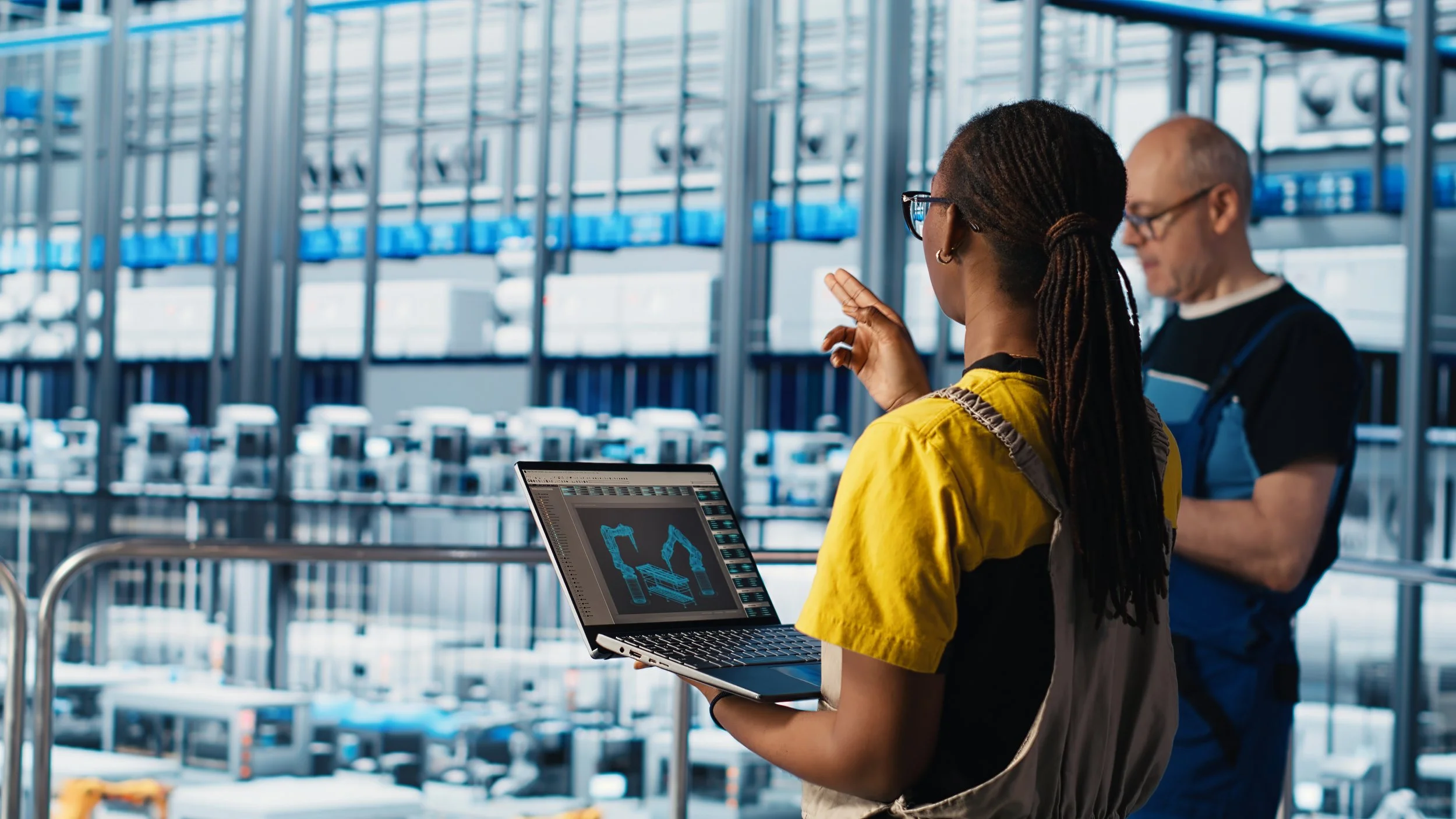
Everyone covered BCG's 60% productivity figure. The more useful number was 87 — the share of manufacturers who said talent becomes the constraint on sustaining a deployment. The report describes a race won by deploying faster, in a market where deployment specialists are unhirable.
The Robot Is the Easy Part: Why Deployment and Operations Decide Automation ROI
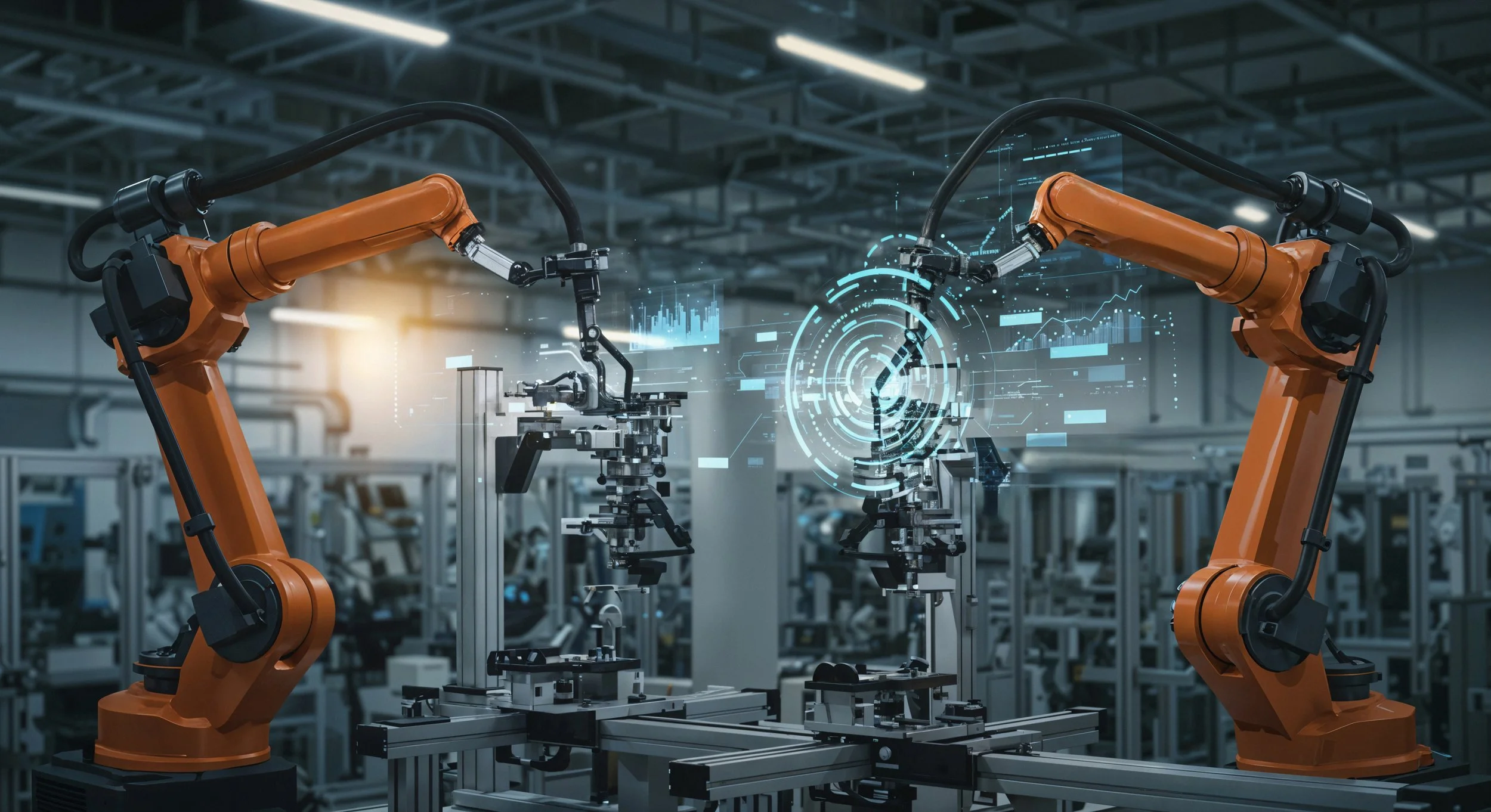
The robot arm is 25 to 40 percent of what a working cell costs. The rest is the deployment layer, and it's where projects go 40 percent over budget in year one. Why getting robots working, and keeping them working, decides automation ROI.

Understanding Sim-to-Real: Why Simulation-Trained Robots Fail in Real Buildings
A policy succeeds ten thousand times in simulation, then misses the mark on real hardware. Nothing is broken. "The sim-to-real gap" names four unrelated failures at once: physics, perception, actuation, and environment. The fix depends entirely on which one you have.